Cabinet Wrapping vs. Painting in Boston
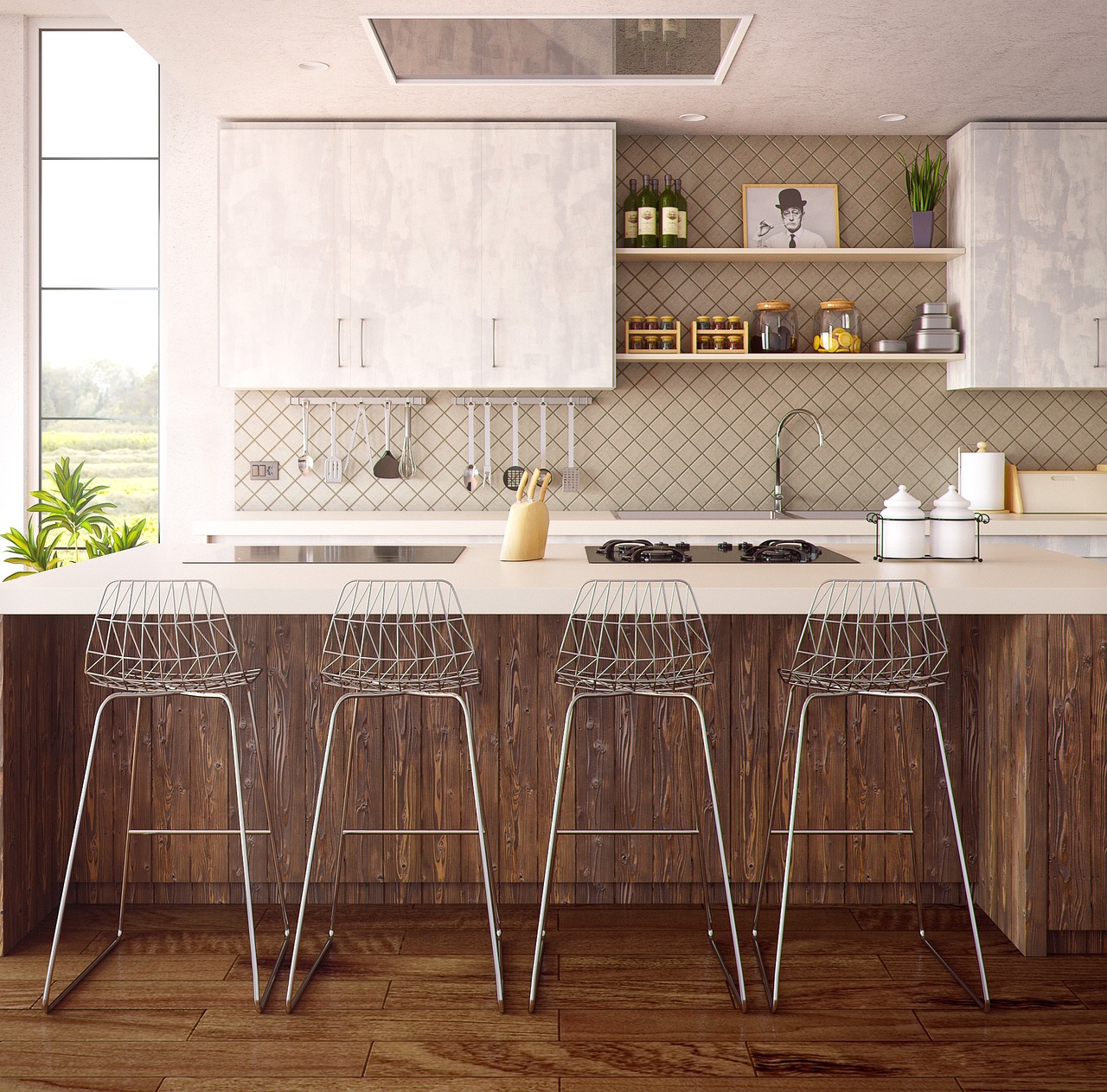
TL;DR: Wrapping and painting both refresh tired cabinets. Here is an honest comparison of cost, durability, cure time, odor, and how Boston's climate affects each.
If your Boston kitchen cabinets are sound but dated, you have two popular ways to freshen them without a full renovation: paint them or wrap them with architectural film. Both cost far less than new cabinetry, and both can make a tired kitchen look current. They work differently, though, and one may suit your home and schedule better than the other. This guide lays out the honest trade-offs so you can choose with your eyes open.
Painting means sanding, priming, and applying several coats of paint to your existing doors, drawers, and boxes. Wrapping means bonding a thin, durable film, such as Bodaq, over those same surfaces. Neither replaces your cabinets. The difference is in how the new surface is created and how it behaves over time.
Cost
A careful cabinet paint job by a professional and a cabinet wrap often land in a similar ballpark, because most of the labor in both is in prep and detail work. Cabinet wrapping starts from $1,999 for a studio or small kitchen and runs up to about $3,500 for a large kitchen. Painting quotes vary widely by painter, coat count, and how much prep dated cabinets need.
Compared with replacing cabinets, both options save money. Some customers may save approximately 60 to 80 percent compared with full replacement, depending on project scope. The right question is not which is cheapest by a few dollars, but which gives you the finish and durability you want for the price.
Durability and Everyday Wear
Kitchen cabinets take a beating: fingertips, cleaning sprays, steam near the stove, and knocks around the trash pull. Painted cabinets can look excellent, but paint can chip at edges and corners over time, and touch-ups are part of owning a painted kitchen. Quality architectural film is built to resist scuffs and wipes clean easily, which is one reason many homeowners lean toward wrapping in a busy household.
Neither finish is indestructible. A dropped pan can dent a door regardless of how it is finished. But for daily wear around handles and lower cabinets, a wrap tends to hold its look with less fuss.
Cure Time and Kitchen Downtime
This is a real practical difference. Paint needs time to dry between coats and then time to cure fully before the surfaces can take normal use. During that stretch you are careful about closing doors, setting things down, and cleaning. A professional cabinet paint job can tie up a kitchen for several days.
Wrapping does not have a curing period in the same way. Once the film is applied and the edges are set, the cabinets are ready to use. Many standard kitchens can be completed in approximately one day, and most projects take one to three days, after which the kitchen is back in service. If losing your kitchen for as little time as possible matters, that is a point in wrapping's favor.
Odor
Painting cabinets involves primers and paints that carry a smell while they dry, and that smell can linger in a small city kitchen or a closed-up condo, especially in winter when windows stay shut. Wrapping is generally lower in odor, and low-odor options may be available. We will not claim any process is completely odor-free, but a wrap usually keeps a home more comfortable during the work.
New England Humidity and Seasons
Boston's climate swings from humid summers to dry, heated winters, and that matters for paint. Wood cabinets expand and contract a little with humidity changes, and paint at the joints of a door can develop hairline cracks over the years as a result. Painting also goes best in stable temperature and humidity, so an installer has to manage conditions carefully in a damp August or a bone-dry January.
Wrapping is applied indoors in your conditioned kitchen, and a well-installed film with clean edges is less bothered by seasonal swings. That said, your kitchen is an indoor, climate-controlled space in both cases, so we are careful not to overstate outdoor weather as a factor. The bigger climate point is simply that paint's cure and its long-term joint behavior are more sensitive to New England's ups and downs.
Finish and Look
Paint gives you a solid color in whatever sheen you choose, which many people love for a classic, uniform look. Wrapping opens up more than color: you can get wood-look grain, stone-look surfaces, and textured finishes that paint simply cannot produce. If you want the warmth of white oak or the look of a stone without the price, wrapping is the way to get there. If you want a straightforward painted color and nothing else, paint delivers that cleanly.
Browse our textures page to see the range of wrap finishes, and our project gallery for finished kitchens.
Door Style Matters for Both
Older Boston kitchens often have raised-panel or detailed doors, and door style affects both methods. Paint gets into the recesses of a raised panel, though those grooves are also where cracks tend to show first. Film follows the shape of a door, but raised-panel doors need an in-person evaluation before we commit to wrapping, because a heavy profile changes how cleanly film can be applied. Flat-panel and slab doors are straightforward for both paint and film.
When Neither Is the Right Choice
We would rather be honest than talk you into a refresh that will not hold. Both paint and film are surface treatments, so neither is suitable for cabinets that are structurally failing, water-damaged, swollen, or delaminating. If a Boston triple-decker or older condo has had a slow leak under the sink, the affected boxes may need repair or replacement first. Painting or wrapping over a failing box only hides the problem for a while.
If your cabinets are sound, either method is a genuine option. If they are not, we will tell you plainly rather than sell you a finish that will disappoint you.
Quick Comparison
- Cost — both far below replacement; wrapping runs $1,999 to about $3,500 by kitchen size
- Downtime — wrapping is usually faster, often one day; painting needs cure time over several days
- Durability — quality film resists scuffs and wipes clean; paint can chip and needs touch-ups
- Odor — wrapping is generally lower odor; paint has a stronger smell while curing
- Finish options — paint is solid color; wrapping adds wood-look, stone-look, and textures
- Humidity — paint joints can crack over the years with seasonal swings; film is less affected
Which Should You Pick?
Choose painting if you want a specific solid color, do not mind a few days of downtime and some future touch-ups, and like the traditional painted-wood look. Choose wrapping if you want a fast turnaround, a durable wipe-clean surface, or finishes like wood grain and stone that paint cannot match. Many Boston homeowners in condos and busy households lean toward wrapping for the speed and low disruption, while others simply prefer paint. There is no single right answer, only the one that fits your kitchen and your patience for downtime.
Frequently Asked Questions
Is wrapping more durable than paint?
Quality architectural film generally resists everyday scuffs and cleans up more easily than paint, which can chip at edges over time. Both hold up well when the cabinets are sound and the work is done carefully.
Which is faster in a Boston kitchen?
Wrapping usually is. Many standard kitchens can be wrapped in approximately one day, and most projects take one to three days. Painting needs drying and curing time spread over several days.
Can I get a wood look with either?
Only wrapping. Paint gives you solid colors, while film offers realistic wood-look grain, stone-look surfaces, and textures.
Still deciding? Compare painting and wrapping for your kitchen with our help, or call (646) 736-2976. You can also read our Boston cabinet wrapping cost guide, learn how a wrap holds up in our durability guide, and explore our cabinet wrapping service.
Reviewed by the Cabinet Restore Pro team.
Get a Free Quote for Your Kitchen
Tell us what you want wrapped and we'll send you an estimate — no site visit needed.
Ready to Refresh Your Kitchen?
Get a free consultation and see how cabinet refinishing can transform your space — at a fraction of the cost of new cabinets. We offer remote consultations and ship free samples.