How Long Does Cabinet Wrap Last in a Boston Kitchen?
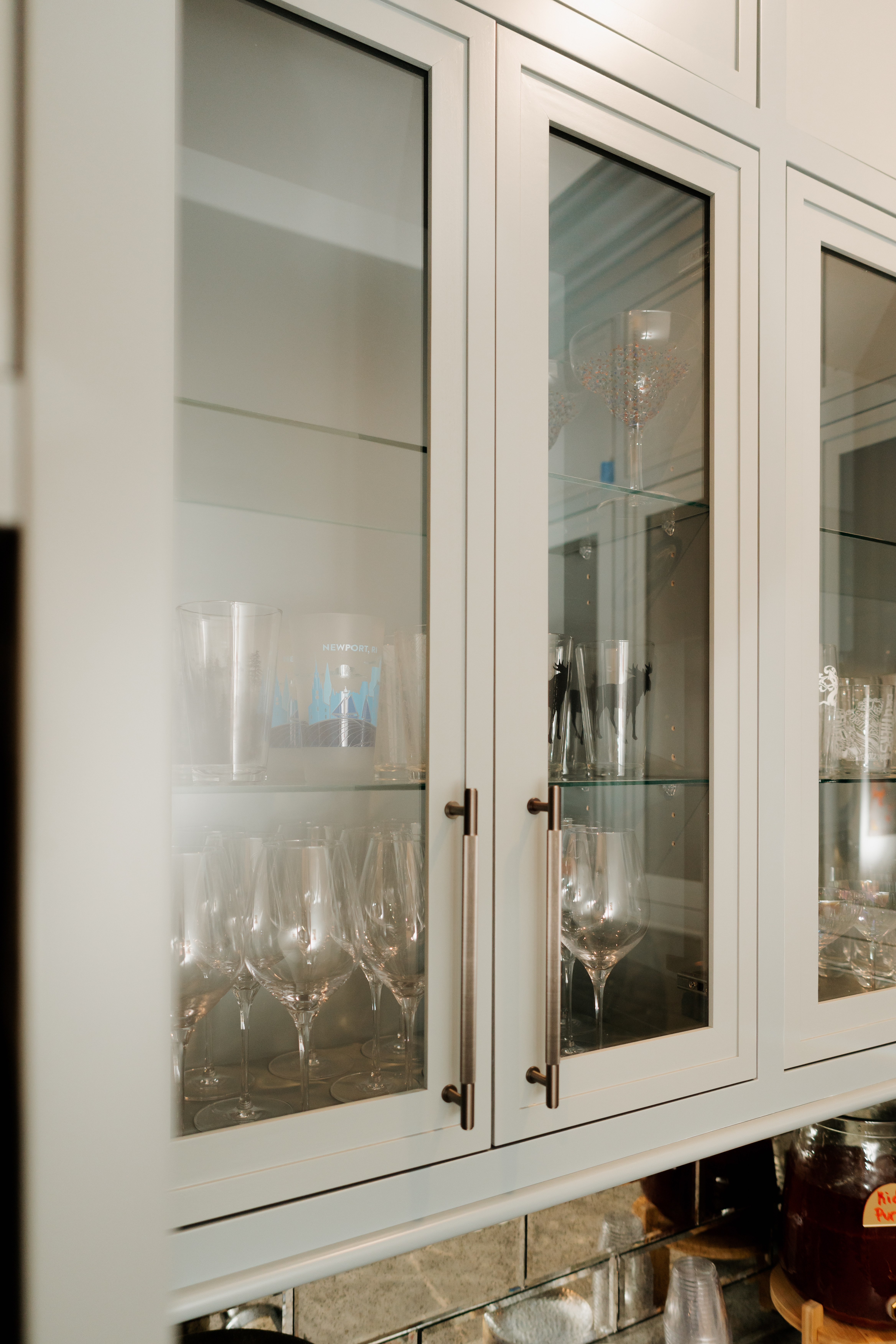
TL;DR: Cabinet wrap lifespan comes down to material quality, prep, and daily care, not the weather outside. Here is what really affects how long a wrap lasts in Boston.
It is a fair question to ask before you spend money: how long will a cabinet wrap actually last? The honest answer is that lifespan depends far more on the product, the prep, and how you treat the cabinets than on Boston's weather. Below we walk through what really drives durability, and we clear up a common misunderstanding about climate along the way.
Cabinet wrapping applies architectural film over your existing doors, drawers, and cabinet sides. When it is a quality film, applied to well-prepped cabinets, and cared for reasonably, it holds up to normal kitchen life for years. Let's look at the factors that matter most.
Before we get into the details, it helps to reframe the question. Instead of asking how long a wrap lasts as if there is one fixed number, ask what makes any wrap last longer. Lifespan is not a single figure stamped on the material; it is the sum of the choices made before, during, and after installation. The good news is that most of those choices are within your control.
Does Boston's Climate Affect a Wrap?
This is where people often get the wrong idea. Boston has real seasonal swings, from humid summers to dry, heated winters. But your kitchen is an indoor, conditioned space. The cabinets are not sitting out in the weather. The temperature and humidity inside your home stay within a fairly narrow range compared with what is happening outdoors.
So we are not going to claim that Boston's climate wears out an indoor wrap on some special timeline. Where seasonal humidity does matter is at two specific points: during preparation and at the edges. If cabinets are damp or not properly dried and cleaned before film goes on, adhesion suffers. And over time, edges and seams are the spots most sensitive to moisture in the air and on the surface. Good prep and clean edge work are what address that, not the weather report.
Product Quality Is the Biggest Factor
Not all films are equal. Basic vinyl can look fine on day one and then fade, peel, or bubble sooner than expected. Quality architectural film, such as Bodaq, is engineered to resist everyday wear and hold its color and adhesion far longer. If you want a wrap that lasts, the material choice up front is the single most important decision.
This is also why the cheapest quote is not always the best value. A wrap that needs redoing in a couple of years is not a bargain.
Prep Determines Adhesion
Film is only as good as the surface underneath it. Proper prep means cleaning off grease and residue, filling and smoothing minor imperfections, and making sure the surface is dry. Skipping steps is the fastest way to get lifting edges later.
This is also where honest limits come in. Wrapping is not suitable for cabinets that are structurally failing, water-damaged, swollen, or delaminating. No amount of quality film will save a cabinet that is coming apart. Raised-panel doors need an in-person evaluation, because their profile changes how well film can seat and stay. Starting with sound cabinets and thorough prep is half the battle for longevity.
Edges and Seams: The Areas to Watch
If a wrap fails, it usually starts at an edge or a seam. These are the points where film can catch, lift, or take on moisture. A careful installer wraps edges tightly and places seams thoughtfully, which goes a long way. As an owner, the main thing you can do is wipe up standing water near edges and seams rather than letting it sit, especially around the sink.
Everyday Care Extends the Life
Cabinets are less demanding than counters, but a little care still pays off:
- Wipe spills promptly, especially near edges and around the sink and dishwasher
- Use gentle cleaners and a soft cloth, not abrasive pads or harsh chemicals
- Avoid letting steam or heat blast directly onto a nearby cabinet edge for long stretches
- Do not let standing water pool along a seam or a bottom edge
If you also have wrapped counters, they need more care than cabinets: trivets under hot cookware, cutting boards instead of knives, and no direct heat on the film. That is because counters take more abuse day to day. You can read more on our countertop wrapping service page.
Where the Most Wear Happens
Not all parts of a kitchen wear at the same rate. The cabinet fronts nearest the stove take heat and grease. The area under the sink deals with occasional moisture. The drawers and doors you open a dozen times a day get the most handling around their pulls. Knowing this, you can give those spots a little extra attention when you clean and catch small issues before they grow.
Normal Wear Over Time
Like any finish, a wrap will show its life eventually. High-touch areas around handles and the most-used drawers see the most wear. The upside of wrapping is that refreshing it later is far simpler than replacing cabinets. Because it is a surface treatment, you can update the look down the road without a full renovation.
Getting the Longest Life From Your Wrap
If you want the best odds of a long-lasting result, it comes down to a few honest choices made up front. Start with sound cabinets, not ones that are failing, water-damaged, or delaminating. Choose a quality architectural film rather than the cheapest vinyl. Insist on thorough prep and careful edge and seam work. Then treat the cabinets with everyday common sense: gentle cleaning, quick spill cleanup, and no standing water at the edges.
Do those things and Boston's changing seasons are a non-issue for an indoor, conditioned kitchen. The wrap's lifespan is in your hands and ours far more than it is in the weather's. When you do eventually want a change, a fresh wrap is a straightforward update rather than a full remodel.
If you take one thing from this guide, let it be this: durability is designed in, not left to chance. The right material on sound, well-prepped cabinets, finished with careful edges and looked after with a little routine care, is what carries a wrap through years of ordinary kitchen life.
Frequently Asked Questions
Will humid Boston summers ruin my wrap?
Your kitchen is a conditioned indoor space, so seasonal outdoor humidity is not the main concern. What matters is proper prep and clean edge work, plus wiping up standing water so moisture does not sit at seams.
What is the most common cause of a wrap failing early?
Usually poor prep, a low-quality film, or wrapping cabinets that were not good candidates in the first place. Sound cabinets, quality material, and careful installation are what make a wrap last.
Can a worn wrap be redone later?
Yes. Because it is a surface treatment, a wrap can be refreshed or changed later far more easily than replacing cabinets, as long as the boxes underneath are still sound.
Want a wrap that lasts? Ask about the right material for your kitchen and we will recommend the best film for your cabinets, or call (646) 736-2976. Learn more about our cabinet wrapping service and our Greater Boston service area.
Reviewed by the Cabinet Restore Pro team.
Get a Free Quote for Your Kitchen
Tell us what you want wrapped and we'll send you an estimate — no site visit needed.
Ready to Refresh Your Kitchen?
Get a free consultation and see how cabinet refinishing can transform your space — at a fraction of the cost of new cabinets. We offer remote consultations and ship free samples.