White Oak Cabinet Wrapping in NYC
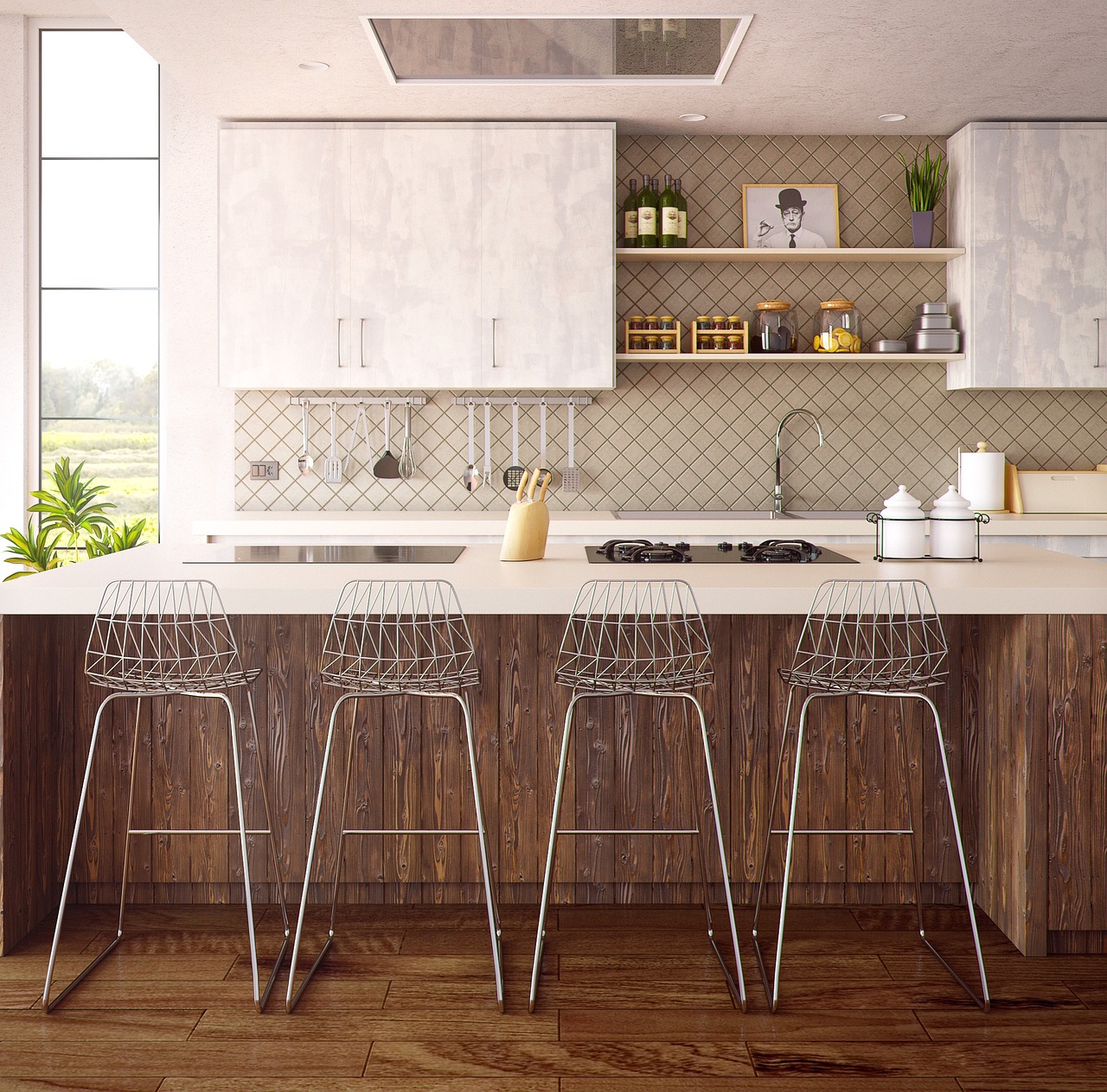
TL;DR: White oak is one of the most requested cabinet looks in NYC. Here is how the wrapped version works, what to pair it with, and where it fits best.
White oak has become one of the most requested kitchen looks in New York, and it is easy to see why. It reads warm and natural, works in both modern condos and prewar apartments, and does not feel trendy in a way that will date quickly. Wrapping is a practical way to get that look without ordering new wood cabinetry.
Here is how white oak wrapping works, what to pair it with, and where it fits best in a NYC kitchen.
How Realistic Is a Wrapped White Oak Finish?
Quality architectural film has come a long way. A good white oak film carries visible grain and subtle tone variation, so it reads as wood rather than a flat printed color. On flat-panel and slab doors, which are common in NYC apartments, the grain runs clean and convincing. The finish matters too: a matte or low-sheen white oak looks more natural than a glossy one.
The most convincing wood-look films also carry a subtle surface texture, not just a printed grain, so the finish catches light the way real oak does. Up close, that texture is part of what sells the look. It is also why we recommend seeing and touching a sample rather than judging from a photo, because a screen flattens the very details that make a good wood film believable.
We favor premium film for wood-look finishes because grain is where cheap material gives itself away. A NYC kitchen gets used hard, and the finish needs to hold color and hold up.
Counter Pairings That Work
White oak is flexible, which is part of its appeal. A few pairings we return to:
- Warm white stone-look counter — bright and current, and it keeps a small kitchen feeling open
- Light marble-look counter — soft veining against the oak grain reads refined without feeling fussy
- Concrete or greige stone-look — a quieter, modern pairing that suits newer high-rise kitchens
- Dark stone-look counter — more contrast and drama, best where there is enough light to carry it
If you wrap counters as well, remember they have care limits: use trivets and cutting boards, keep direct heat off the surface, and wipe up standing water. Countertop pricing varies by project. See our countertop wrapping page for how the two coordinate.
Lighting and White Oak
White oak shifts with the light. In a sunny high-floor condo it looks bright and airy. In a north-facing or windowless kitchen it reads a little warmer and cozier, which is usually a good thing. We bring samples so you can see the grain in your own light before you decide, because the same film looks different at 9 a.m. than under evening bulbs.
Hardware Choices
Hardware is where you set the tone. With white oak:
- Matte black — crisp contrast, modern and clean
- Brushed brass — warm and a little dressy, nice in a condo that wants a high-end feel
- Brushed nickel — quiet and neutral, a safe pick that will not compete with the grain
Because oak is warm on its own, both warm and cool hardware can work. The choice is mostly about how much you want the handles to stand out.
Two-Tone Layouts With White Oak
White oak is a strong partner in a two-tone kitchen. A common approach is white oak lowers with warm white uppers, which keeps the room bright while grounding it with wood at the base. Another is white oak on an island against neutral perimeter cabinets, so the island becomes the focal point. In a small kitchen, keep the lighter tone up high to preserve the open feeling.
Where White Oak Fits in NYC
White oak suits both a sleek Manhattan condo and a character-filled Brooklyn brownstone, which is part of why it is so popular here. In a prewar apartment it adds warmth without fighting the architecture. In a modern unit it softens hard lines. It is a genuinely versatile choice across neighborhoods.
It is also forgiving in small spaces, which matters in a city where many kitchens are compact. Because white oak is light and warm at once, it keeps a galley feeling open the way a plain white does, but with more character. That combination is hard to get from a flat solid color, and it is a big reason white oak shows up in so many NYC kitchens right now.
Matching Grain Direction
One detail that separates a good wood-look wrap from a great one is grain direction. On real cabinetry, the grain typically runs vertically on doors and horizontally on wide drawer fronts, and a careful installer follows that logic with the film. When grain direction is consistent and intentional, a wrapped white oak reads far more convincingly as wood. It is the kind of small thing that quality installation gets right and a rushed job ignores.
Caring for a Wood-Look Finish
White oak film asks for the same sensible care as any wrapped cabinet. Clean with a soft cloth and mild soap and water, skip abrasive cleaners and scouring pads, and wipe up splatter near the stove and sink rather than letting it sit. Use your range hood to pull steam away from the cabinets above and beside the range. Treated that way, a wood-look finish tends to hide everyday marks well because the grain naturally breaks up the surface.
Warm vs. Cool White Oak Tones
White oak film comes in a range of tones, and the difference is easy to miss until you see two samples together. A warmer white oak leans golden and cozy, which suits a prewar apartment or a kitchen with low light. A cooler, more bleached white oak reads crisp and modern, which fits a bright condo. Neither is better; they simply set a different mood. Because the tone shifts under your bulbs, this is a decision best made with samples in your own kitchen.
Honest Notes on Candidacy
Wrapping covers your existing doors and drawer fronts, so it works best on solid boxes with dated finishes. It is not suitable for cabinets that are structurally failing, water-damaged, swollen, or delaminating. Flat-panel and slab doors take grain film cleanly, while raised-panel doors need an in-person evaluation, because grain has to be carried carefully across a profiled surface. Cabinet wrapping starts from $1,999 for a studio or small kitchen and runs up to about $3,500 for a large kitchen.
See White Oak in Your Kitchen
The grain is best judged in person. Request a white oak kitchen estimate and we will bring samples to see in your light. You can also browse wood-look options in our finish gallery and see completed kitchens in the project gallery.
Frequently Asked Questions
Will a wrapped white oak really look like wood?
With quality film and clean installation, it reads convincingly as wood, especially on flat-panel and slab doors. The grain and a low sheen do most of the work. Seeing a sample in your own kitchen is the best way to judge it.
Which counter looks best with white oak?
There is no single answer. Warm white and light marble-looks keep things bright, while a darker stone-look adds contrast. It depends on your light and how much drama you want. We can show pairings side by side.
Does white oak show wear over time?
Wood-look films tend to hide everyday marks well because the grain breaks up the surface. Quality architectural film is designed for years of indoor use, though how long any finish lasts depends on care and how hard the kitchen is used.
Reviewed by the Cabinet Restore Pro team.
Get a Free Quote for Your Kitchen
Tell us what you want wrapped and we'll send you an estimate — no site visit needed.
Ready to Refresh Your Kitchen?
Get a free consultation and see how cabinet refinishing can transform your space — at a fraction of the cost of new cabinets. We offer remote consultations and ship free samples.