How to Modernize an Older Boston Kitchen
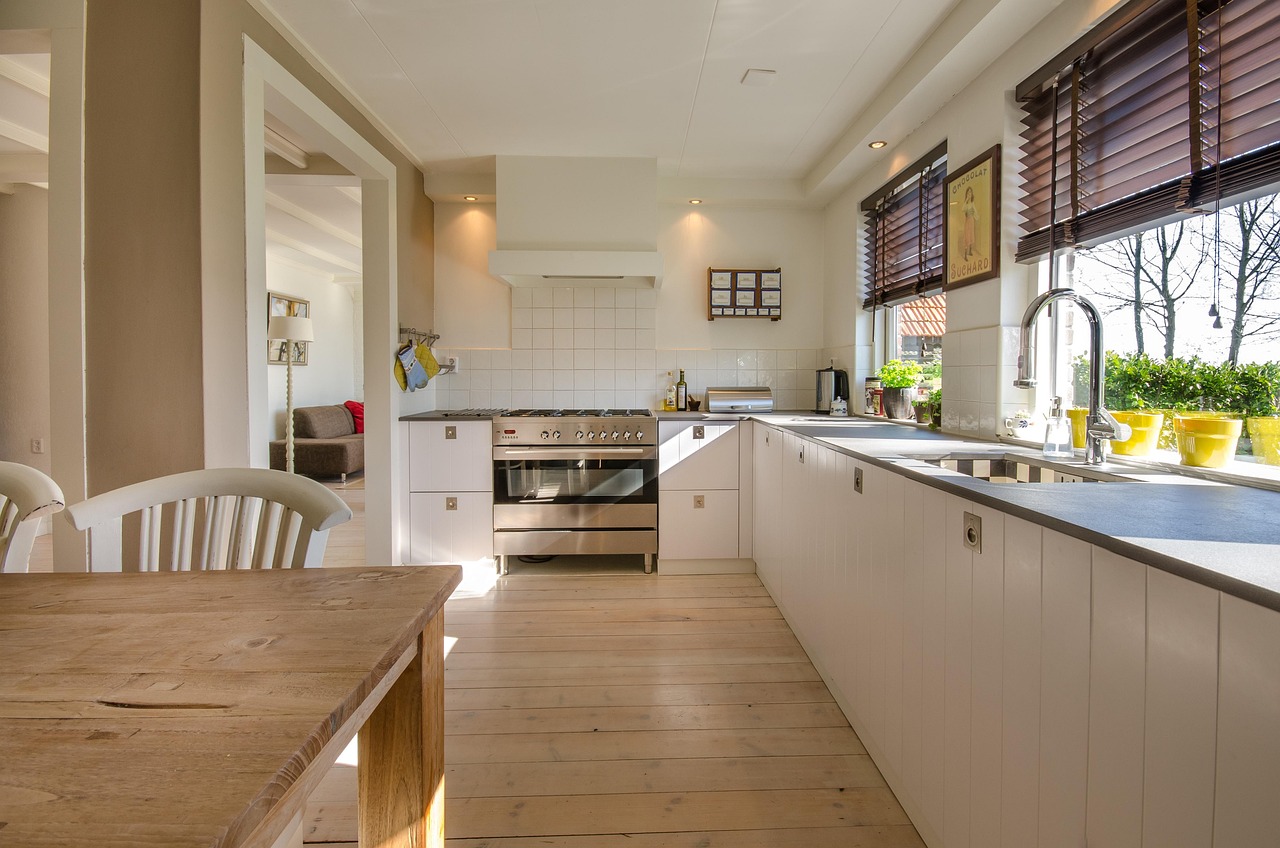
TL;DR: You can update an older Boston kitchen without tearing it out. Here is how to keep the usable cabinet boxes and modernize dated oak, honey maple, and old laminate.
A lot of Boston kitchens are older than the people cooking in them. Oak cabinets from the 1980s, honey maple from the 1990s, and sheets of dated laminate turn up in triple-deckers, prewar condos, and suburban ranch houses all over the region. The good news is that an older kitchen rarely needs to be gutted to feel current. In many cases the boxes are still solid, and only the finish looks tired. This guide walks through how to modernize an older Boston kitchen while keeping what still works.
The heart of the approach is simple: keep the parts that are sound, update the parts that are dated, and spend your budget where it changes the look most. Wrapping fits neatly into that plan, but it is one piece of a larger strategy.
Start by Keeping the Usable Cabinet Boxes
Older kitchens were often built with sturdy cabinet boxes. Solid frames, real wood face frames, and dovetailed drawers were common in homes built decades ago. The doors and finishes may have gone out of style, but the structure underneath can still have plenty of life left.
If your boxes are level, firmly attached, and free of major damage, there is often no reason to throw them out. Cabinet wrapping applies architectural film over your existing doors, drawer fronts, and exposed cabinet sides, so you keep the working structure and change only what you see. That is the single biggest way to modernize an older kitchen without the cost and mess of new cabinetry.
On price, cabinet wrapping starts from $1,999 for a studio or small kitchen and runs up to about $3,500 for a large kitchen. Compared with a full renovation, some customers may save approximately 60 to 80 percent compared with full replacement, depending on project scope. Learn more on our cabinet wrapping service page.
Updating Outdated Finishes
Certain finishes instantly date a kitchen. Here is how the most common ones in older Boston homes can be modernized.
Orange-toned oak
The heavy, orange-toned oak of the 1980s is one of the biggest giveaways of an older kitchen. Wrapping over it with a calmer finish, such as a modern white oak look, a warm gray, or a soft off-white, keeps the warmth many people like about wood while dropping the dated orange cast. A white oak wrap in particular reads current without feeling cold.
Honey maple
Honey maple was everywhere in the 1990s and early 2000s. It is not damaged, just very yellow by today's taste. A painted-look wrap in white, greige, or a muted color updates it quickly, and a wood-look film can swap the yellow tone for something more neutral.
Dated laminate
Old laminate cabinets, often flat-fronted, can look surprisingly modern once wrapped, because their slab shape suits film so well. A fresh matte finish over tired laminate is one of the more dramatic yet affordable changes you can make. Flat, slab-style doors are among the best candidates for wrapping.
Lighting Makes an Older Kitchen Feel New
Finish is only part of the picture. Older kitchens are often under-lit, which makes even a freshly wrapped cabinet look flat. Adding light is one of the cheapest, highest-impact updates you can make alongside a wrap.
- Under-cabinet LED strips brighten the counter and show off a new finish
- Swapping a single dated ceiling fixture for a cleaner light modernizes the room fast
- Warmer bulbs flatter wood-look wraps; cooler bulbs suit crisp white finishes
Because wrapping does not involve electrical work, lighting is a separate task you or an electrician handle. Pairing the two on the same timeline gives the biggest visible jump for the money.
Hardware and Wrap Combinations
New hardware is a small change that reads as a big one. Dated brass knobs or worn plastic pulls are another quiet sign of an older kitchen. Once the cabinets are wrapped, fresh hardware finishes the look.
A few combinations that tend to work well in Boston-area homes:
- White oak wrap with matte black pulls — warm and modern, good for condos and updated triple-deckers
- Soft white wrap with brushed brass — classic and bright, at home in an older house
- Warm gray wrap with stainless or nickel — understated and easy to live with
- Two-tone wrap — a lighter upper and a deeper lower cabinet, tied together with one hardware finish
For more color and combination ideas, see our guide to two-tone cabinet wrapping for Boston kitchens and our best cabinet wrap colors for Boston-area homes.
Do Not Forget the Counters
Dated counters can undercut freshly updated cabinets. Old laminate or worn tile counters can also be refreshed with a countertop wrap, and countertop pricing varies by project. Coordinating cabinets and counters in one visit keeps the whole surface looking intentional rather than half-updated. If you go this route, keep the counter care basics in mind: use trivets under hot cookware, cut on a board rather than the surface, and wipe up standing water so moisture does not sit at the seams.
When Modernizing With a Wrap Is Not the Right Choice
An older kitchen is not always a candidate, and we would rather say so up front. Wrapping is a surface treatment, so it is not suitable for cabinets that are structurally failing, water-damaged, swollen, or delaminating. Decades of use, an old leak under the sink, or a run of humid summers can leave base cabinets with soft spots that film cannot fix.
Raised-panel doors, which are common in older kitchens, need an in-person evaluation. Their profile affects how cleanly film can be applied, so we look at them before committing. If the layout itself no longer works for how you live, or the boxes are failing, a wrap is the wrong tool and a bigger renovation may make more sense. Being honest about that saves you from paying twice.
A Sensible Order of Operations
If you are modernizing an older Boston kitchen on a budget, a simple sequence helps you spend wisely:
- Confirm the cabinet boxes are sound and worth keeping
- Wrap the doors, drawers, and exposed sides in an updated finish
- Refresh the counters if they are dating the room
- Add or improve lighting, especially under the cabinets
- Swap in new hardware to tie it all together
Many standard kitchens can be completed in approximately one day, and most projects take one to three days, so the cabinet portion rarely keeps the kitchen out of use for long.
Frequently Asked Questions
Can I really keep my old cabinet boxes?
If they are level, well attached, and free of major damage, usually yes. Older boxes were often built sturdy. We check condition before quoting and will tell you honestly if any boxes need repair first.
Will wrapping hide how dated my oak cabinets look?
A wrap covers the visible surfaces with a new finish, so the orange oak tone disappears under the film you choose. A modern wood-look or a painted-look finish reads far more current than 1980s oak.
How much of the update can happen in one project?
Cabinet and counter wraps can be coordinated in the same visit. Lighting and hardware are separate tasks, but they are easy to line up on the same week so the whole kitchen feels finished at once.
Thinking about updating an older kitchen? Upload photos of your older Boston kitchen and we will tell you honestly what is a good candidate, or call (646) 736-2976. You can also request a free quote, browse the textures page, and see our work across the Greater Boston service area.
Reviewed by the Cabinet Restore Pro team.
Get a Free Quote for Your Kitchen
Tell us what you want wrapped and we'll send you an estimate — no site visit needed.
Ready to Refresh Your Kitchen?
Get a free consultation and see how cabinet refinishing can transform your space — at a fraction of the cost of new cabinets. We offer remote consultations and ship free samples.