Cabinet Wrapping for Boston Condos: What Owners Should Know
TL;DR: Wrapping cabinets in a Boston condo means working around association rules, tight access, and an occupied unit. Here is how to plan a smooth project.
Owning a condo in Boston comes with a rule book. Before you refresh a kitchen, you often have to think about your association, your neighbors, and how work gets in and out of the building. Cabinet wrapping fits that reality well, because it skips the demolition and mess that make condo boards nervous. This guide covers what condo owners in Back Bay, the South End, the Seaport, and similar buildings should plan for.
Wrapping applies architectural film, such as Bodaq, over your existing cabinet doors, drawer fronts, and exposed sides. Nothing gets torn out, so there is no debris to carry through a shared lobby and no heavy equipment to book a freight elevator for. For a lot of condo owners, that alone makes it the easier path.
Start With Your Association Rules
Every Boston condo association is a little different. Some have detailed rules about contractor hours, insurance, and how work is announced to neighbors. Others barely notice a surface refresh. The safe move is to read your association's rules before you schedule anything.
We want to be clear here: we do not tell owners that permits or approvals are never needed. Cabinet wrapping is a surface treatment with no plumbing or electrical changes, which usually keeps it simple, but your building may still have its own requirements for contractor certificates of insurance, elevator reservations, or advance notice. Check with your management company or board so there are no surprises on install day.
Access in Older and Newer Boston Buildings
Access is the practical hurdle that varies most across the city. A Back Bay brownstone condo might have a narrow entry and a tight interior staircase. A South End building may share a single small elevator. A newer Seaport tower usually has a dedicated freight elevator you need to book in advance.
The good news is that wrapping travels light. Our materials and tools are compact, so we rarely need the kind of loading and hauling that a full renovation demands. Still, tell us up front about stairs, elevator rules, and parking so the day runs on schedule.
Working in an Occupied Unit
Most condo owners stay in their unit during the project, and that is usually fine. Because there is no demolition, the kitchen does not become a construction zone for weeks. We protect the surrounding areas, keep the workspace tidy, and clean up as we go.
Timing helps here too. Many standard kitchens can be completed in approximately one day, and most projects take one to three days. That short window is a big reason condo owners choose wrapping over a longer renovation that would keep the kitchen out of use.
Odor and cleanliness
Wrapping is generally cleaner than a tear-out, and low-odor options may be available. We will not claim there is no smell at all during application, but there is no demolition dust and no debris hauled through common areas, which neighbors tend to appreciate.
Scheduling Around a Building's Rules
Condo buildings often set the calendar for you. Many limit contractor work to weekday business hours, and some require a few days of notice before any project begins. A downtown high-rise may also cap how long the freight elevator can be reserved. None of this is a dealbreaker for a wrap, but it changes how we plan the day.
The best thing you can do is line up your building's approval and any elevator or loading-dock reservation before we arrive. Because a wrap moves quickly, a single confirmed work window is usually all we need. Tell us if there are quiet hours, a doorman check-in process, or a specific service entrance, and we will build the schedule around them.
Different buildings, different logistics
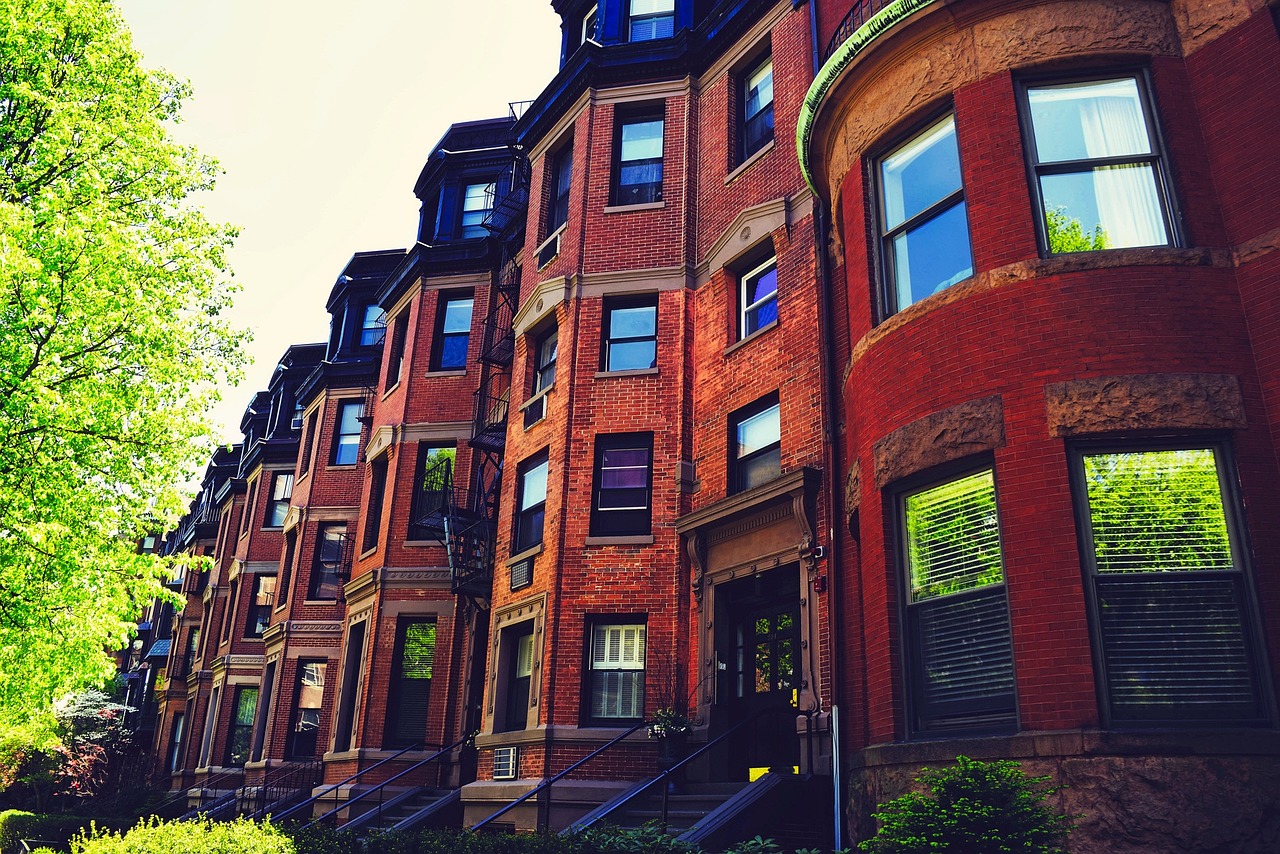
A Back Bay brownstone that was divided into condos may have no elevator at all, so everything comes up a stair. A South End building might share one small residential elevator with your neighbors. A Seaport tower usually has formal move-in and contractor procedures. Knowing which situation you are in helps us show up prepared rather than adjusting on the spot.
Pricing for a Condo Kitchen
Cabinet wrapping starts from $1,999 for a studio or small kitchen and runs up to about $3,500 for a large kitchen. Many Boston condos have compact kitchens with a modest door count, so they tend to sit toward the lower part of that range. Your final number depends mainly on how many door and drawer fronts you have and the condition of your cabinets, not on which neighborhood you live in.
Compared with a full condo kitchen renovation, wrapping can be far less expensive. Some customers may save approximately 60 to 80 percent compared with full replacement, depending on project scope. If you also want the counters refreshed, a countertop wrap can be coordinated in the same visit, though countertop pricing varies by project.
When Wrapping Is Not the Right Fit
We would rather be honest than sell you something that will not last. Wrapping is a surface treatment, so it is not suitable for cabinets that are structurally failing, water-damaged, swollen, or delaminating. If a condo has had a slow leak under the sink, the affected boxes may need repair first.
Raised-panel doors also need an in-person evaluation before we commit, because their profile affects how cleanly film can be applied. Flat-panel and slab doors, which are common in newer Seaport and South End units, are usually straightforward.
This honesty matters more in a condo than almost anywhere else, because a shared building magnifies the cost of getting it wrong. If a wrap were applied over a failing cabinet and later peeled, you would be arranging contractor access all over again, with all the same elevator and approval hurdles. We would rather flag a problem in the estimate than send you through that twice.
A Refresh That Suits City Living
For a lot of condo owners, the appeal of wrapping is simply that it fits the way they live. You are not moving out, not booking a dumpster, and not negotiating with the board over a multi-week renovation. You get an updated kitchen with minimal fuss, which is exactly what a busy downtown schedule calls for. If you decide to change the look again in a few years, a surface treatment is far easier to revisit than torn-out cabinetry.
Frequently Asked Questions
Do I need my condo board's approval to wrap cabinets?
It depends on your building. Surface wrapping involves no structural, plumbing, or electrical changes, which often keeps it simple, but your association may still require insurance certificates or advance notice. Always confirm with your board or management company first.
Can the work be done while I live in the unit?
Usually, yes. There is no demolition, so the kitchen stays livable and the timeline is short, often one day and typically one to three days.
Will wrapping match the look of a modern Seaport condo?
Flat-panel doors in particular take film cleanly, and there are many finishes to choose from. We can show options that read well in a contemporary building or an older brownstone alike.
Ready to plan a condo-friendly kitchen refresh? Request a Boston condo kitchen estimate with a few photos, or call (646) 736-2976. You can also review our Greater Boston service area and browse our project gallery.
Reviewed by the Cabinet Restore Pro team.
Get a Free Quote for Your Kitchen
Tell us what you want wrapped and we'll send you an estimate — no site visit needed.
Ready to Refresh Your Kitchen?
Get a free consultation and see how cabinet refinishing can transform your space — at a fraction of the cost of new cabinets. We offer remote consultations and ship free samples.